Madrid’s Hidden Rotation: 3 Starters Set to Sit Against Roma
Real Madrid gamble with rotation against Roma, resting three key men to preserve them for bigger ties 👀
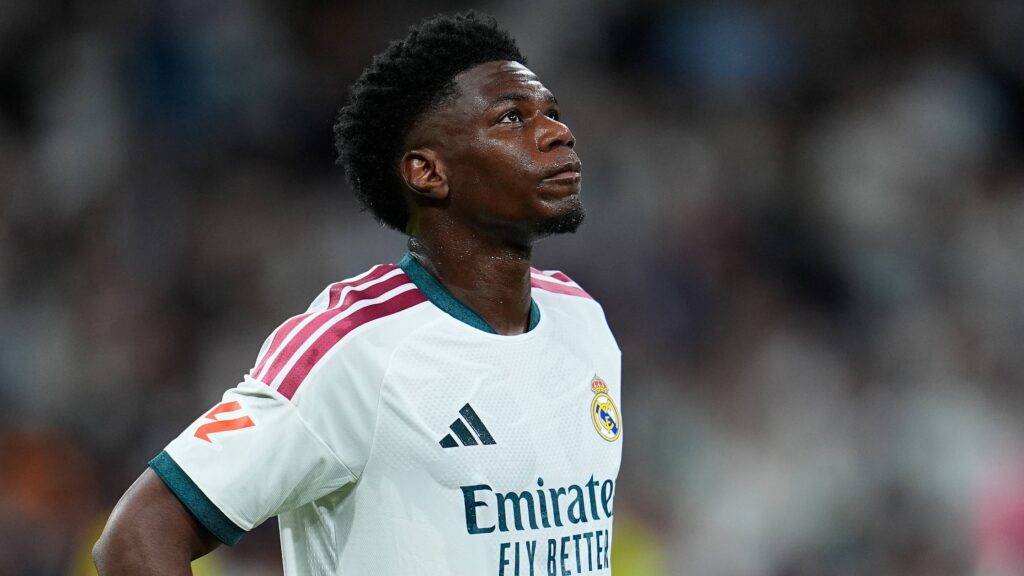
Rotation could be the catalyst Real Madrid needs to survive a European gauntlet.
Real Madrid approach their Champions League date with Roma as one of the season’s most telling tests. After a gritty 0-0 draw with Como last weekend, the message from the squad room is clear: fatigue is creeping in, and the calendar is not kind. In this context, Carlo Ancelotti faces a delicate decision about who to protect and who to trust in a heavyweight European night. The proposed plan centers on a measured rotation that would bench three seasoned starters, while still preserving Madrid’s core for the long haul.
Rotation Imperative: The Case for Benching the Trio
– Luka Modrić – minutes mountain accumulation and the ticking clock of his career make a controlled rest essential if Madrid want him to influence the late phases of the campaign.
– Toni Kroos – tempo and reliability are best safeguarded by occasional rest, ensuring he can stitch the rhythm back together when it matters most in Europe.
– Dani Carvajal – pace and workload can be overwhelmed by Roma’s wing play; giving him a night off could reduce risk while the squad recalibrates defensively.
The logic is twofold: keep Madrid’s spine fresh for the knockout rounds, and allow younger legs to press and probe in rhythm with the rest of a squad loaded with high-intensity pressing and quick transitions. It’s a blueprint built on the premise that a well-timed rotation can unlock a fresher, more dynamic Madrid in Europe without surrendering the domestic fight.
Strategic Implications: How Madrid Could Profit
– Midfield retooling: A dynamic pivot—think Camavinga alongside Valverde or a similar combination—injects energy, pressing, and vertical transitions that could unsettle Roma’s rhythm and create imbalance in the visitors’ backline.
– Defensive balance: With Militao and Alaba verging on a stable partnership, Madrid can experiment with the back four in front of them, maintaining solidity while coverage is shuffled in midfield and on the flanks.
– Frontline continuity: The line remains potent with Rodrygo or Vinícius in advanced roles, maintaining threat while the engine room spins up with fresh legs behind them.
Key context for this tactical choice lies in the broader fixture load. Real Madrid must balance immediate European pressure with the relentless demands of La Liga and potential cup runs. Resting Modrić and Kroos could be a shrewd long-term bet, especially if Camavinga and Valverde provide a more aggressive pressing presence that Stuttgart-sized margins in Europe often demand. The question is whether the Roma tie, with its specific pace and pressing profile, offers the right stage to introduce such a shift without compromising control.
In this scenario, Ancelotti’s decision-making becomes a study in risk management—protecting the experienced engine room while leaning on younger, fresher operators to execute a plan that could reset Madrid’s tempo in Europe. If executed correctly, Madrid could emerge with a performance that sends a clear signal: rotation, when paired with clarity of purpose, can be a strategic ally rather than a concession.
Final takeaway: the bench is becoming as much a strategic weapon as the starting XI. Real Madrid’s ability to navigate this match through calibrated rest could define not just the night against Roma, but the club’s trajectory across the rest of the season. The champions always know when to press and when to pause; this might be Madrid’s moment to demonstrate both.